
Dress Codes Explained: What to Wear for Every Occasion

We’ve all been there. You receive an invitation to an event with no mention of what to wear and now you’re faced with making the determination on your own. Will a dress shirt be too formal? Will jeans be too casual? When you arrive at the event, you find some guests in cocktail dresses, others in t-shirts and sandals, and others somewhere in between. This can make guests feel uncomfortable and may lead to a less than enjoyable experience.
This confusion isn’t just a fashion faux pas, it’s a missed opportunity to create a fun and relaxed atmosphere for guests. That’s the power of a clearly communicated dress code. In this article, I’ll explain why dress codes matter, the different types you should be familiar with, and how hosts and guests can use them to enhance every event from backyard barbecues to black-tie galas.
Why Dress Codes Matter
Dress codes are often misunderstood as restrictive or old-fashioned, but they serve a practical purpose. At their core, they provide structure and eliminate uncertainty. Just like we appreciate knowing the agenda for a meeting, we also want to know how to present ourselves in a way that fits the occasion.
From a host’s perspective, a dress code sets the tone and mood for an event. It helps guide guests toward a shared experience. For instance, a formal dinner party can quickly lose its aura if half the attendees show up in casual attire.
From a guest’s perspective, adhering to a dress code demonstrates respect for the host, the venue, and the event. It shows intention and effort, signaling that you took the time to prepare and that you value being part of the event.
Psychologically, being dressed appropriately allows individuals to feel more confident and relaxed. When everyone understands what’s expected, the focus shifts away from anxiety about what to wear and toward genuine enjoyment.
How to Communicate Dress Codes Effectively
Whether you’re sending out formal invitations, online RSVPs, or even simple group texts, it’s essential to include guidance on attire. A clearly stated dress code removes any guesswork and helps guests plan ahead. In fact, some guests may choose not to attend if you do not clearly articulate the prescribed dress code.
Tips for Including Dress Codes in Invitations:
Place it at the bottom or in a corner with RSVP details.
Keep it brief: “Attire: Smart Casual” or “Dress Code: Cocktail Attire.”
If it’s an unconventional event like a beach wedding or costume party, it can be helpful to provide more detailed guidance. For example: Attire: Beach Casual (Linens and sandals welcome).
Clear communication not only eases planning but also prevents your guests from feeling uncomfortable or out of place.
Common Dress Codes and What They Actually Mean
Understanding the spectrum of dress codes helps ensure everyone feels prepared and appropriately dressed. Below is a breakdown of the most common categories, along with tips on how to interpret them.
1. Casual
Best For: Informal gatherings like backyard barbecues, daytime birthday parties, or relaxed social events.
Men: Polos, clean jeans or chinos, casual button-down shirts, and comfortable sneakers.
Women: Casual dresses, jeans with a stylish blouse, sandals, or flats.
Do: Prioritize comfort while maintaining neatness.
Avoid: Torn clothing, flip-flops (unless explicitly allowed), overly revealing items, or workout attire unless it’s a sports-related event.
Note: If your venue is rustic or outdoors, like a barn or campsite, say so! Add notes like: “Attire: Casual. Boots and jeans encouraged!”
2. Smart Casual
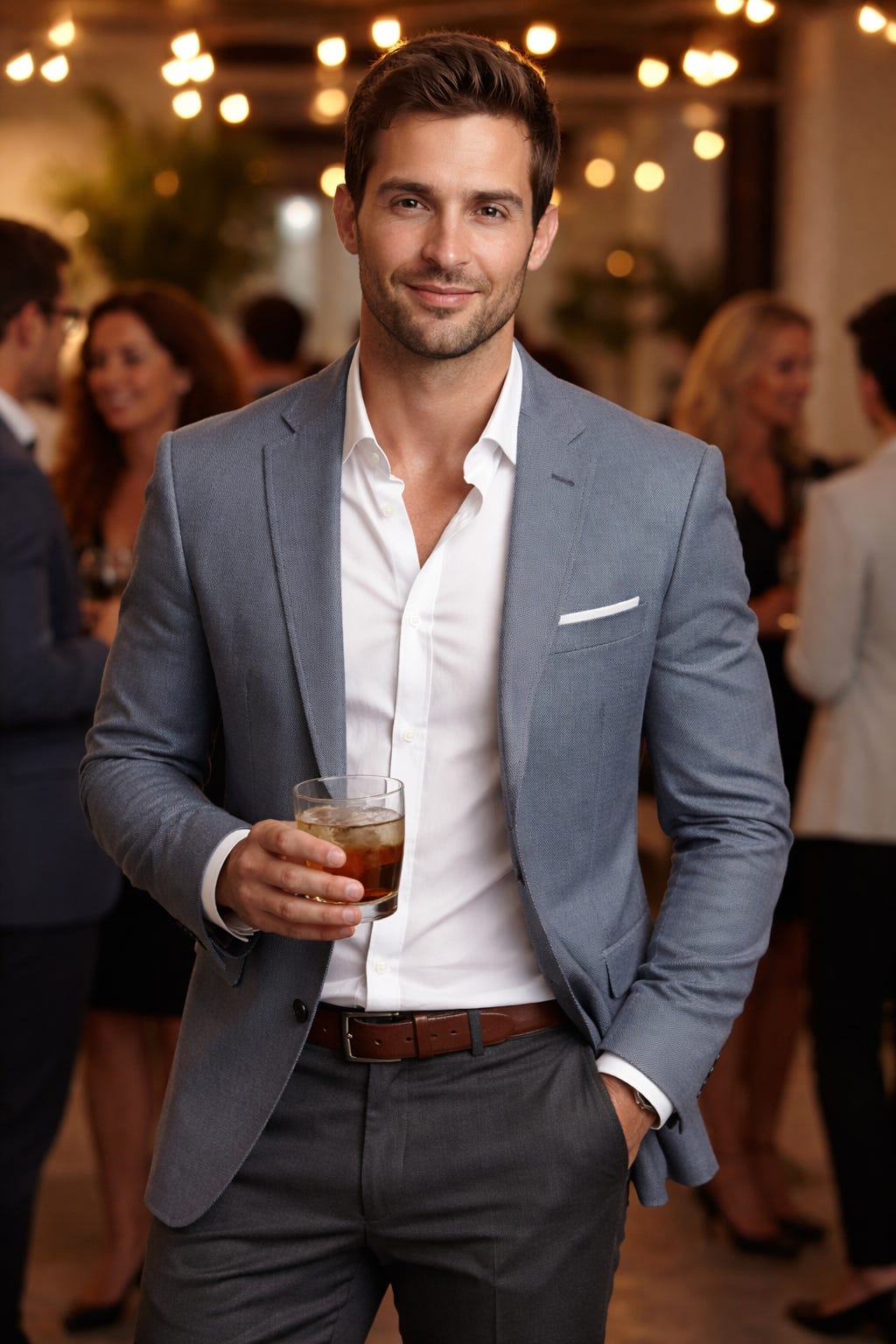
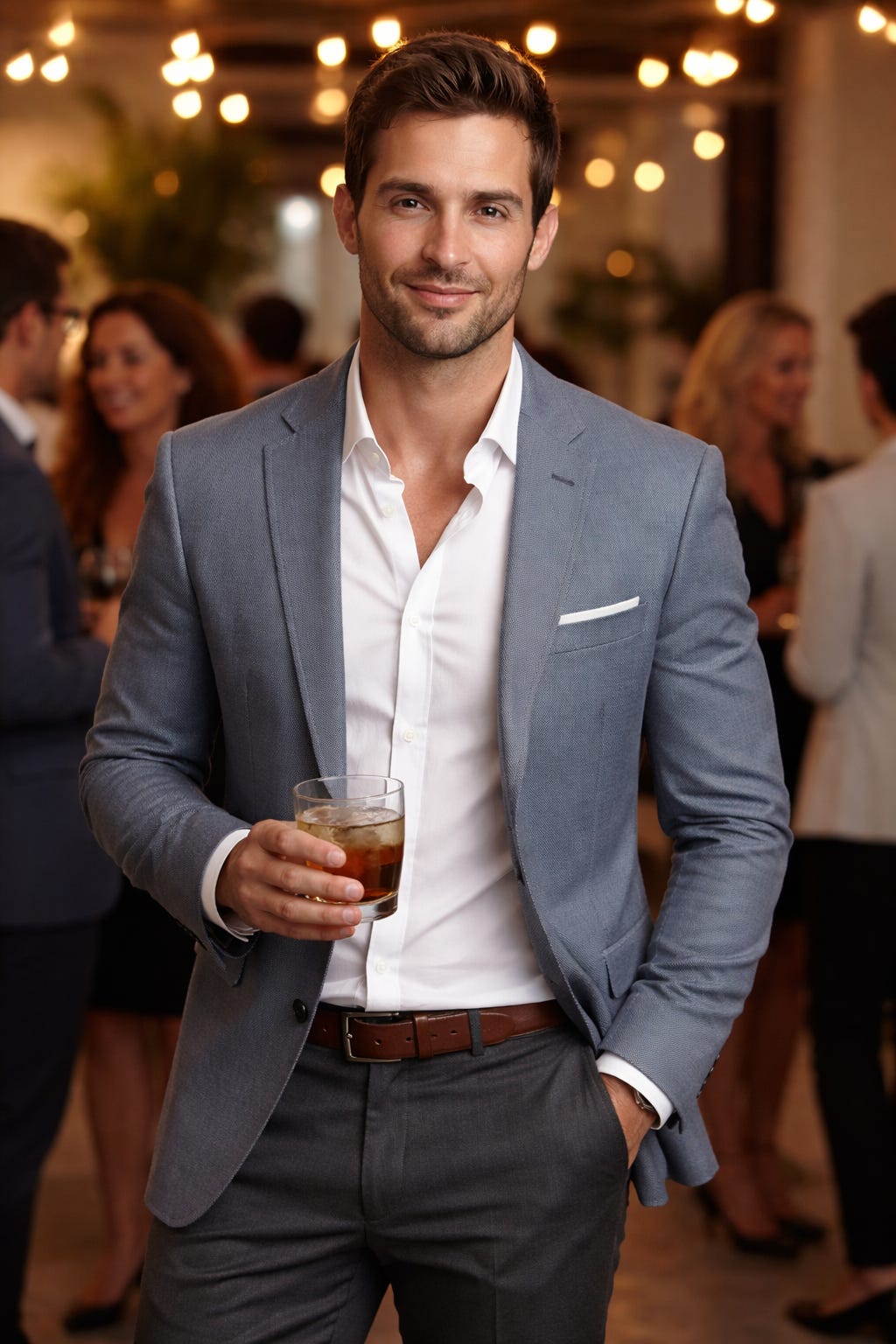
Best For: Dinner parties, date nights, or casual work events. This category bridges the gap between relaxed and polished.
Men: Tailored pants or dark jeans, button-down or collared shirts, optional blazer, loafers or clean sneakers.
Women: Stylish dresses, skirts or trousers paired with blouses, minimal jewelry, flats or low heels.
Avoid: Athletic wear, beachwear, flashy branding, and anything that looks overly worn.
Note: Think stylish, clean, and slightly elevated without going full business mode.
3. Business Casual
Best For: Office settings, networking events, business luncheons, or professional conferences. Business casual balances professionalism with comfort. It’s the default attire for many modern workplaces.
Men: Dress shirts, slacks or chinos, loafers or oxford shoes. Ties are optional but can elevate the look. Bring along a sport coat.
Women: Knee-length dresses, pencil skirts, modest tops, closed-toe flats or low heels.
Avoid: Denim, sneakers, t-shirts, and anything too flashy or tight.
Note: When in doubt, lean more professional. It’s easier to remove a sport coat than to apologize for looking under dressed.
4. Business Professional
Best For: Formal work environments, client meetings, interviews, or corporate presentations. This attire signals credibility and readiness. It’s also a safe choice when attending professional functions with unfamiliar expectations.
Men: A tailored suit, tie, collared dress shirt, and polished shoes.
Women: Skirt suits, pant suits, conservative dresses, and minimal accessories.
Avoid: Loud colors, distracting patterns, or casual fabrics.
Note: In high-stakes professional settings, erring on the side of formality builds trust and credibility.
5. Cocktail Attire
Best For: Evening events like weddings, engagement parties, or semi-formal galas. Cocktail attire strikes a balance between festive and refined.
Men: Dark suits, dress shirts, ties or bowties, and polished shoes. A pocket square can be a nice touch.
Women: Cocktail-length dresses, stylish jumpsuits, or two-piece sets in silk or satin.
Avoid: Denim, casual shoes, and overly flashy clothing.
Note: This attire allows for a variety of color and texture, but keep it classy.
6. Black Tie
Best For: Formal evening events, charity galas, and weddings. Black tie events call for elegant sophistication.
Men: Tuxedos or black suits with formal shirts, black bow ties, cummerbunds or waistcoats, and polished black dress shoes.
Women: Floor-length gowns, formal cocktail dresses, or evening separates.
Avoid: Business suits, casual shoes, or casual accessories.
Note: This is not the time to experiment with casual interpretations. Stick to grace and elegance.
7. White Tie
Best For: The most formal occasions; royal events, state dinners, or classical operas.
Men: Black tailcoats, white waistcoats, wing-collared shirts, white bow ties, and patent leather shoes.
Women: Full-length ball gowns, often paired with opera gloves, formal jewelry, and immaculate hair and makeup.
Avoid: Anything short, trendy, or even slightly informal.
Note: White tie is rare, but when called for, it demands full traditional formalwear.
Themed and Seasonal Events
Not all events fit neatly into standard categories. For themed parties, holiday events, or seasonal settings, you must be specific for your guests.
Examples:
“Attire: Holiday Festive—ugly sweaters encouraged!”
“Theme: Western Chic—cowboy boots and denim welcome.”
“Dress Code: Kentucky Derby—Hats for the Ladies. Ties for the Gentlemen.”
Guiding your guests with descriptive language helps them embrace the theme confidently and creatively.
Final Thoughts: Dress to Respect the Moment
Dress codes are far more than guidelines about clothing. They provide guests with clarity and reduce anxiety. When you understand and honor the expected attire, you’re not just dressing for yourself, you’re fully participating in the event and showing respect for your host.
The next time you attend or plan an event, remember that what you wear isn’t just about fashion, it’s a reflection of your awareness and respect.
Reminder: You can support my work and get additional content with a paid subscription. You’ll get:
1-2 paid articles each week
The entire archive of my content (over 100 articles)
First look at The Ways of a Gentleman products
Founding members also get a free copy of my book, The Ways of a Gentleman
Love the clarity here. Thanks
It’s either t shirt and cargo pants (cargo shorts if summer) or a suit. It’s just two polar ends. No in between for me.