
Frederick Russell Burnham: The Most Fascinating Man You've Never Heard Of

Frederick Russell Burnham lived a life so extraordinary that it seems almost fictional. He was a frontiersman, soldier, explorer, spy, adventurer, oil tycoon, and one of the greatest scouts of his era. Over the course of his remarkable life, Burnham survived deadly campaigns in Africa, tracked enemies across deserts and wilderness, escaped captivity during war, dined with Queen Victoria, advised powerful world leaders, and helped inspire the creation of the Boy Scouts. At a time when much of the world was still wild and unexplored, Burnham seemed drawn toward hardship and adventure wherever they could be found.
Though largely forgotten today, Burnham was once internationally famous and admired for his courage, toughness, and unmatched fieldcraft. British newspapers called him “The King of Army Scouts,” while military leaders and explorers alike sought out his expertise. His life embodied many of the qualities that people still admire in great adventurers and gentlemen: resilience, competence, bravery, self-reliance, and humble confidence. Simply put, Frederick Russell Burnham lived the kind of life most men only read about in novels, and his story remains one of the most fascinating adventure tales of the modern age.
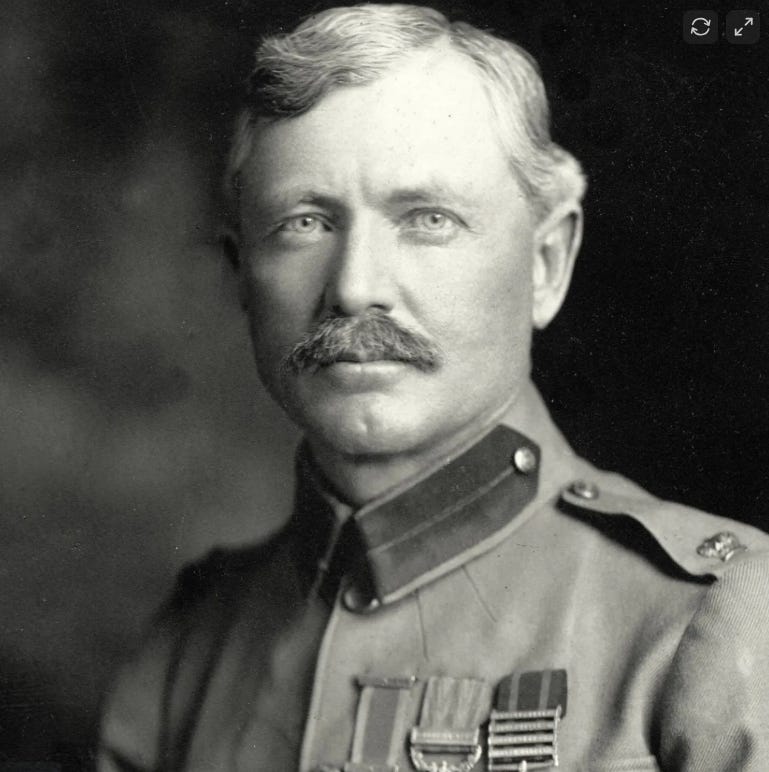
Early Life on the American Frontier
Born in 1861 in Tivoli, Minnesota, Frederick Russell Burnham was raised on an Indian reservation where he quickly absorbed the ways of the American Indians. From a young age, he learned how to track, hunt, and survive in the wild. By age 12, Burnham and his family had relocated to California. Shortly after their arrival, his father died unexpectedly, leaving young Frederick to support his widowed mother and younger brother.
He found work wherever he could, mostly as a telegraph rider for Western Union, crisscrossing across the Southwest on horses. These formative years shaped his unmatched tracking and wilderness survival skills. At just 14 years of age, Burnham became a scout in the Apache Wars, assisting the U.S. Army in its campaign against the legendary Apache leader, Geronimo.
Burnham learned the art of tracking from grizzled veterans and Indian American scouts. During this time, Burnham also worked as a cowboy, trail guide, and mine guard. Though short in stature at just 5 feet 4 inches, he carried himself with incredible confidence. It was said that his striking gray-blue eyes and chiseled features gave him an unmistakable presence. He purchased the six-shooter below in Arizona, and would carry the weapon for the rest of his life.
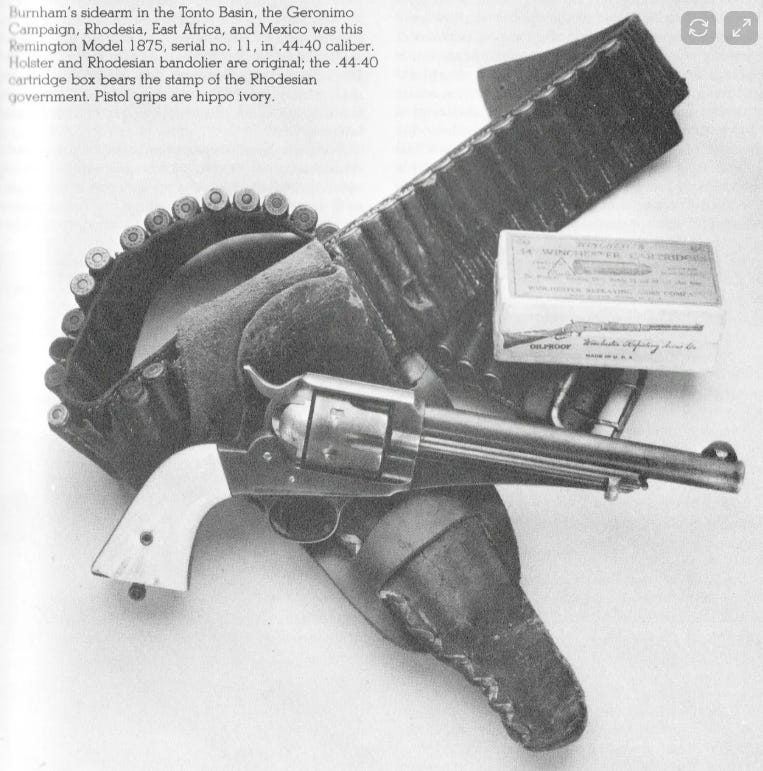
From Pasadena to Africa: A New Frontier
In 1884, Burnham married his childhood sweetheart and settled in Pasadena, California. While there he worked as a prospector and scout. With the American frontier largely settled, Burnham sought new horizons. In 1893, he became inspired by tales of the British imperialist Cecil Rhodes who was settling land in Africa. Burnham moved his family to South Africa to join Rhodes’ pioneers in Matabeleland. Shortly after his arrival, war erupted between the British and the native Matabele people.
Burnham soon enlisted as a scout for the British South Africa Company. That same year, he gained international fame as one of just three survivors of the doomed Shangani Patrol, a massacre that is Rhodesia’s version of the Alamo. For his courage under fire and service to the company, Burnham was awarded the British South Africa Company Medal, a gold watch, and 300 acres of land in what would become Rhodesia (modern-day Zimbabwe).
In 1895, Burnham led an expedition that discovered vast copper reserves north of the Zambezi River. Word spread of his accomplishment and he was awarded a fellowship in the Royal Geographical Society. Unfortunately, peace did not last long. In 1896, the Second Matabele War broke out.
With few trained troops in the region, Burnham organized civilian patrols to protect settlements. He played a decisive role in ending the conflict by locating and eliminating the Matabele spiritual leader, Mlimo. With fellow scout Bonar Armstrong, Burnham infiltrated a remote cave where Mlimo was hiding and fatally shot him, paving the way for Cecil Rhodes to broker peace.
The Boer War
After the Matabele campaign, Burnham returned to California. He and his 12-year-old son even ventured to Alaska during the Klondike Gold Rush. When the Second Boer War broke out in 1899, Burnham was summoned by British Field Marshal Lord Roberts to serve as Chief of Scouts for the British Army.
He was promoted to Captain and later to Major, leading daring sabotage missions and gathering intelligence deep behind enemy lines. He was twice captured by the Boers and escaped both times, once by lying motionless in an open field for four days. Later, he was seriously wounded and sent to England to recover.
While in London, Burnham received a hero’s welcome. He dined with Queen Victoria, received the Queen’s South Africa Medal, and was later awarded the Distinguished Service Order by King Edward VII. Despite being an American, British newspapers hailed him as “The King of Army Scouts.”
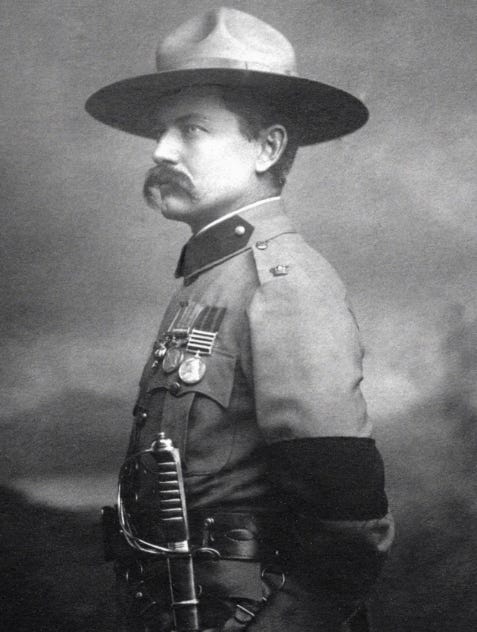
Inspiration for the Boy Scouts
During the Matabele campaigns, Burnham became close friends with Lord Robert Baden-Powell. Though Baden-Powell was an experienced scout from his time in India, he eagerly learned Burnham’s wilderness skills, many of which came from American Indian traditions.
Baden-Powell even adopted Burnham’s style of dress, a Stetson hat and a neckerchief. Their conversations about training boys in fieldcraft and outdoor skills directly inspired Baden-Powell to create the Boy Scouts. Burnham is often called the father of scouting and remained active in the Boy Scouts for the rest of his life.
Exploration, Security, and Gold
After his African campaigns, Burnham led expeditions into Upper Volta (now Burkina Faso) and East Africa in search of minerals and navigable waterways. Upon returning to North America, he took part in large irrigation projects in Mexico, acquiring land and even discovering ancient Mayan artifacts such as the mysterious Esperanza Stone.
He also worked in private security, famously preventing an assassination attempt on President William Howard Taft while serving as part of his security detail. Burnham later led teams protecting valuable mining properties owned by financiers like J.P. Morgan and the Guggenheim family.
In 1917, Burnham was one of 18 men selected to serve in former President Theodore Roosevelt’s proposed volunteer regiment for World War I. Though Congress authorized it, President Woodrow Wilson declined to deploy the unit.
In 1923, Burnham returned to California and struck oil near the same land where he had once grazed cattle as a boy. The discovery made him a wealthy man. Despite his wealth, Burnham remained committed to public service and conservation. He was a founding member of the California State Parks Commission, helping to preserve California’s natural beauty for future generations.
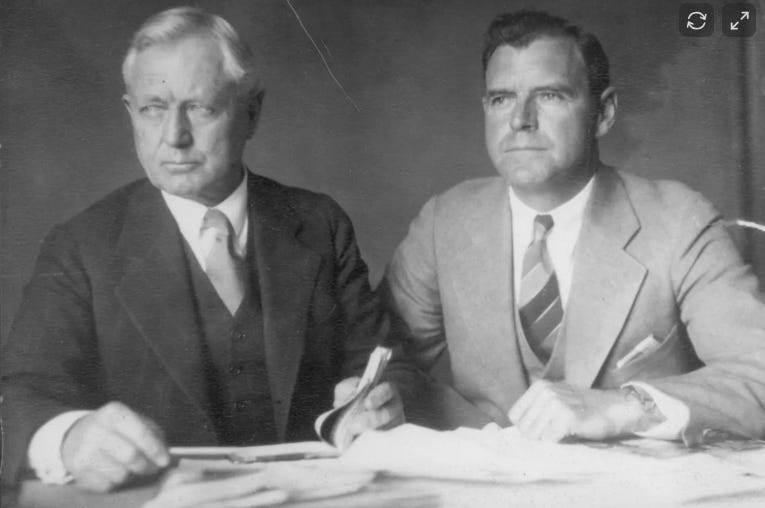
A Life of Legend
Frederick Russell Burnham died in Santa Barbara, California, in 1947 at the age of 86. He was buried alongside his lifelong friends, including the Blick family, who were pioneers with whom he settled parts of Rhodesia and Pete Ingram, a fellow survivor of the Shangani massacre.
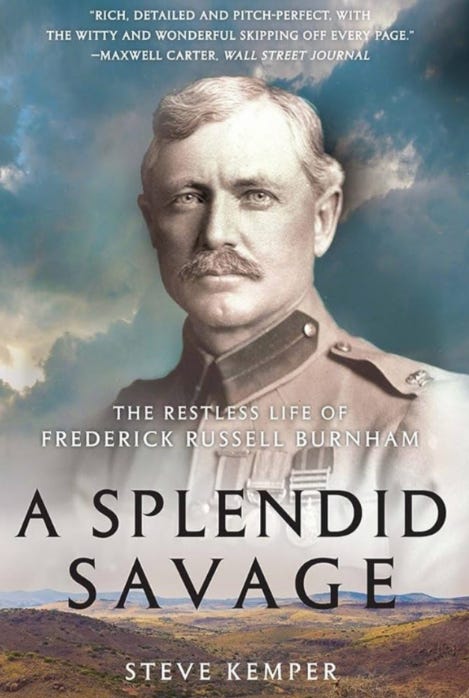
Burnham’s life was one of adventure, heroism, and service. For gentlemen who admire exploration and bravery, his legacy remains a shining example. To dive deeper into Burnham’s extraordinary life, I highly recommend A Splendid Savage by Steve Kemper. Click the button below for more information on the book.
Reminder: You can support my work and get additional content with a paid subscription. You’ll get:
1-2 paid articles each week
The entire archive of my content
First look at The Ways of a Gentleman products
Founding members also get a free copy of my book, The Ways of a Gentleman, and a one hour consultation
Echoes a talk by Michael Shannon at the Sunset Club in Los Angeles earlier this year.
Thank you for this glimpse of an impressive, but largely unknown American. I have read a lot about history, but I don’t recall ever encountering him. Talk about a multi-dimensional life!